

Soutaipasu remains one of the most intriguing yet underrated culinary traditions in the world. Far from crowded food capitals and commercialized dining scenes, Soutaipasu has quietly preserved its identity through generations. Rooted in tradition, shaped by culture, and defined by bold yet balanced flavors, this cuisine continues to fly under the radar—making it a true discovery for curious food lovers.
This guide explores what makes Soutaipasu special, from its origins and ingredients to its cooking methods and global presence.
Introduction to Soutaipasu and Its Origins
Soutaipasu originated in regions where food was deeply connected to community life, seasonal availability, and cultural rituals. Unlike modern cuisines shaped by fast trends, Soutaipasu developed slowly, guided by tradition and practicality.
Historically, families prepared meals using locally sourced ingredients, simple tools, and techniques passed down orally. Over time, this created a cuisine that values depth of flavor rather than complexity. Every dish reflects a balance between heritage and adaptability, which is why Soutaipasu has remained authentic despite changing times.
What Makes Soutaipasu Cuisine Unique
Soutaipasu cuisine stands out because of its thoughtful use of ingredients and careful flavor balance. Rather than overpowering the palate, it focuses on harmony.
Key Characteristics:
- Use of fresh, regional produce
- Minimal processing to preserve natural taste
- Balanced combinations of sweet, salty, sour, and spicy notes
- Emphasis on aroma through herbs and oils
Fermented elements are often used to add depth, while natural oils enhance texture and fragrance. The result is food that feels comforting yet refined.
Recent blog: How Printely Helps You Manage Printing Projects Efficiently
Signature Ingredients Found in Soutaipasu
Ingredients are the foundation of Soutaipasu. Each component plays a specific role rather than serving as decoration.
Commonly used ingredients include:
- Fresh vegetables such as leafy greens, eggplant, and seasonal roots
- Locally sourced seafood and proteins
- Aromatic herbs and hand-ground spices
- Fermented pastes and naturally aged sauces
The cuisine avoids artificial enhancements, relying instead on slow preparation and ingredient quality.
Must-Try Dishes in Soutaipasu Cuisine
If you’re exploring Soutaipasu for the first time, certain dishes offer a perfect introduction:
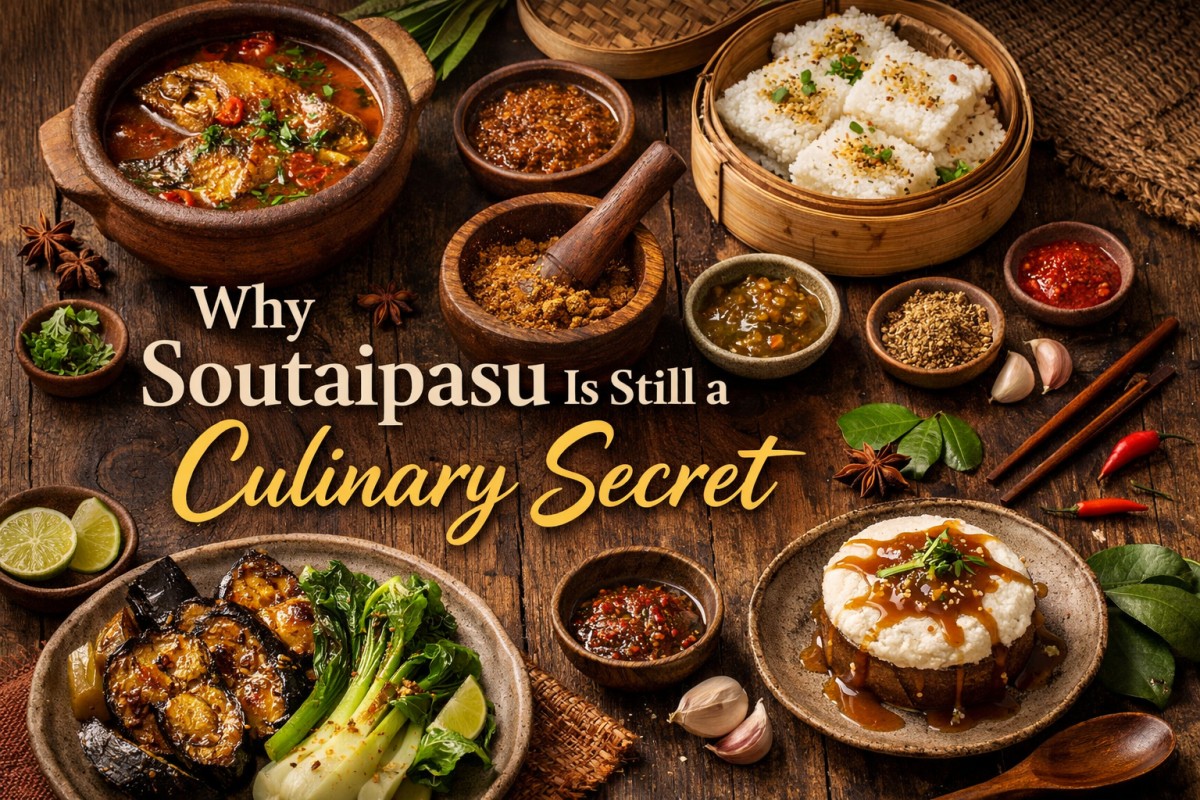
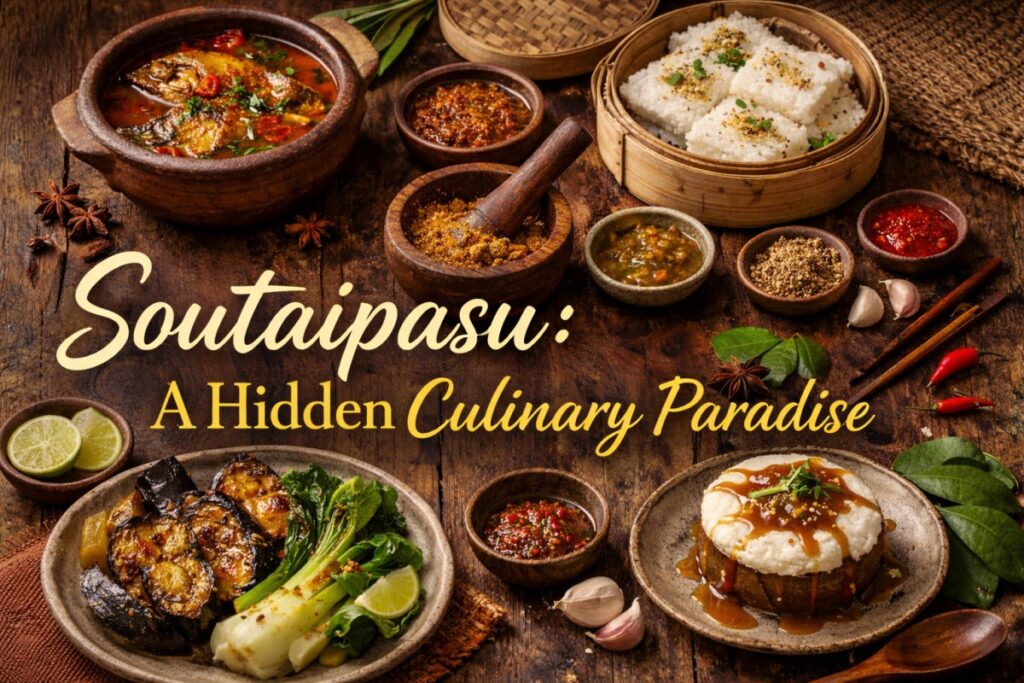
- Spiced Fish Stew – A slow-cooked dish where spices enhance, not overpower, fresh fish
- Citrus-Marinated Grilled Vegetables – Light, smoky, and refreshing
- Traditional Rice Cakes – Soft, chewy, and versatile, served sweet or savory
- Coconut-Based Desserts – Creamy textures balanced with natural sweetness
Each dish reflects the simplicity and care that define Soutaipasu cooking.
Cultural Influence on Soutaipasu Cooking
Culture plays a central role in Soutaipasu cuisine. Food is not just nourishment—it is a shared experience.
Communal cooking traditions are common, with families preparing meals together during festivals or gatherings. Recipes are preserved through practice rather than written instructions, which helps maintain authenticity.
Trade and migration also influenced Soutaipasu flavors, introducing spices and techniques that were adapted rather than copied. This organic evolution is why the cuisine feels both grounded and diverse.
Recent blog: ins in 2026: Meaning, Role, and Its Growing Impact
Traditional Cooking Methods and Tools
Soutaipasu relies on time-tested cooking techniques that naturally enhance flavor.
Traditional Methods Include:
- Slow cooking over open flames
- Steaming to preserve texture and nutrients
- Fermentation for depth and longevity
Common Tools:
- Clay pots for stews and soups
- Mortar and pestle for fresh spice blends
- Wooden utensils to protect cookware and retain taste
These methods ensure consistency while allowing subtle variations from one household to another.
Where to Experience Authentic Soutaipasu Food
The most authentic Soutaipasu dishes are found where the cuisine originated, especially in family-run eateries and local kitchens.
Outside its homeland, you can explore:
- Cultural food festivals
- Specialty restaurants run by traditional chefs
- Pop-up dining events focused on regional cuisine
Food discovery apps and local reviews often help uncover places that respect original Soutaipasu cooking methods.
How to Bring Soutaipasu Flavors Into Your Kitchen
You don’t need to travel far to experience Soutaipasu. With the right approach, its essence can be recreated at home.
Try these ideas:
- Use Soutaipasu-inspired spices in everyday cooking
- Add fermented elements to sauces or marinades
- Combine traditional flavors with familiar recipes
- Experiment with slow-cooking techniques
Hosting a Soutaipasu-themed meal is also a great way to explore and share the cuisine with others.
FAQs About Soutaipasu
What is Soutaipasu?
Soutaipasu is a traditional culinary style known for balanced flavors, cultural depth, and time-honored cooking techniques.
Why is Soutaipasu not widely known?
Its limited commercial exposure and intense focus on tradition have kept it away from mainstream food trends.
What are the main ingredients used in Soutaipasu?
Fresh vegetables, seafood, aromatic herbs, fermented pastes, and natural oils are commonly used.
Is Soutaipasu cuisine spicy?
Soutaipasu is more balanced than spicy. Heat is used carefully to complement other flavors.
Can Soutaipasu dishes be made at home?
Yes. With basic ingredients and a bit of patience, many Soutaipasu-inspired dishes can be prepared in home kitchens.
Where can I try authentic Soutaipasu food?
Look for local eateries in their region of origin, cultural festivals, or specialty restaurants abroad.
Conclusion
Soutaipasu remains a culinary secret because it values authenticity over attention. Its flavors are shaped by culture, history, and care rather than trends. From traditional cooking tools to thoughtfully balanced dishes, every aspect of Soutaipasu tells a story.
Exploring this cuisine is not just about tasting food—it’s about understanding a way of life. Whether you experience it in its homeland or recreate it in your kitchen, Soutaipasu offers a rewarding journey for anyone willing to look beyond the obvious.