

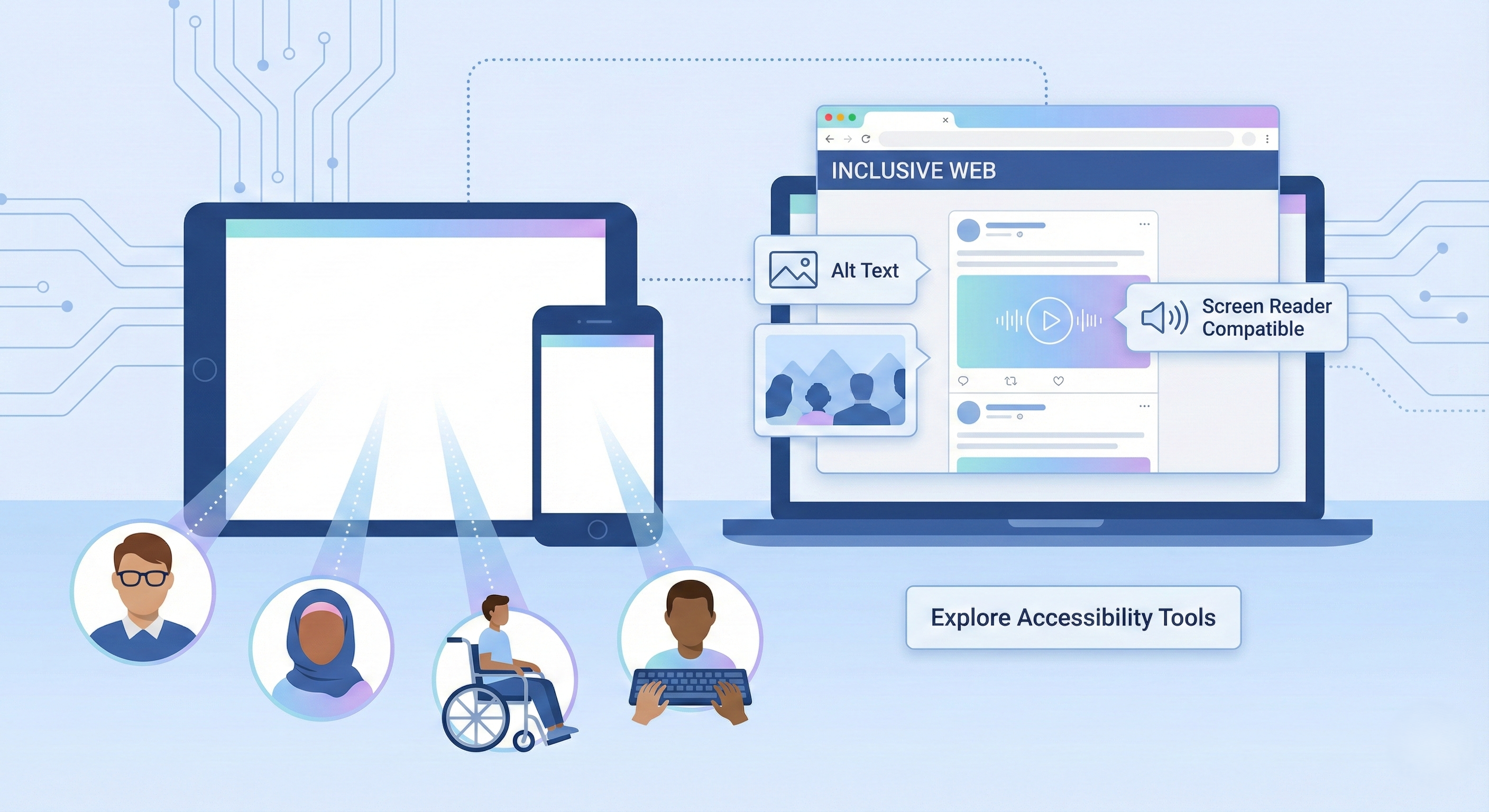
Introduction to OGFAP (Open Graph for Accessibility Project)
In the modern digital world, communication happens instantly and across countless platforms. Yet, not everyone experiences online content in the same way. Accessibility has become a critical factor in ensuring that digital information reaches all users effectively. This is where the Open Graph for Accessibility Project (OGFAP) comes into play.
OGFAP is designed to improve how digital content is presented and shared, especially for users who rely on assistive technologies. By enhancing the structure and clarity of shared information it helps create a more inclusive digital environment. As online platforms continue to shape how we connect, understanding OGFAP is key to building communication systems that work for everyone.
Why Accessibility Matters in Digital Communication
Digital communication influences how people learn, work, shop, and interact. However, poorly designed digital experiences can exclude individuals with visual, auditory, or cognitive challenges. Accessibility ensures that these users can navigate, understand, and engage with content without unnecessary barriers.
Beyond inclusivity, accessible communication benefits businesses and organizations as well. When content is easier to consume, it reaches a wider audience and encourages stronger engagement. Accessibility-driven design often leads to cleaner interfaces, clearer messaging, and better usability for all users—not just those with disabilities. In today’s connected world, accessibility is no longer optional; it is a foundation for effective digital communication.
How OGFAP Functions
OGFAP works by improving how content is structured and shared across digital platforms. It leverages structured metadata to provide meaningful context when links are posted on social networks or messaging platforms. This ensures that titles, descriptions, and supporting information are clear, descriptive, and accessible.
By using semantic HTML and accessibility-focused attributes such as ARIA, OGFAP enhances compatibility with screen readers and other assistive tools. Developers can integrate OGFAP elements directly into their websites, allowing content to be interpreted more accurately by both humans and machines. The result is a smoother, more inclusive content-sharing experience that maintains clarity and engagement across all user groups.
Key Benefits of Using OGFAP
Implementing OGFAP offers several practical advantages. One of the most significant benefits is improved accessibility, enabling users with disabilities to interact with shared content more easily. This leads to better comprehension and a more inclusive user experience.
OGFAP also supports higher engagement levels. When content is accessible, more users can participate, share, and respond—ultimately increasing reach and visibility. From an SEO perspective, accessibility-friendly practices align well with search engine guidelines, which can contribute to stronger search performance.
Additionally, OGFAP encourages inclusive design thinking. By considering diverse user needs from the outset, organizations can create digital experiences that feel intuitive, respectful, and future-ready.
Common Misunderstandings About OGFAP
A frequent misconception is that OGFAP is only relevant to developers. In reality, content creators, marketers, and product teams all benefit from understanding how accessible metadata improves content reach and clarity.
Another common belief is that OGFAP implementation is highly complex. While technical knowledge can help, many modern tools and frameworks simplify the process, making it accessible to teams with varying skill levels. Some also assume OGFAP focuses only on visual accessibility, but it supports a wider range of needs, including non-visual content interpretation and assistive technology compatibility. Rather than being just a compliance measure, OGFAP enhances overall user experience.
Real-World Examples of OGFAP in Action
Many organizations have successfully applied OGFAP principles to improve digital communication. For example, an online retail platform enhanced its product-sharing features by adding accessible metadata, making listings easier to understand for screen reader users.
A digital news publisher adopted OGFAP to ensure headlines, summaries, and images were clearly described when shared online. This significantly improved content accessibility for visually impaired readers. Educational institutions have also benefited by applying OGFAP to learning resources, ensuring students of all abilities can access and understand course materials. These examples demonstrate how thoughtful implementation can make a measurable difference.
Conclusion and Future Outlook
As digital communication continues to evolve, accessibility will play an increasingly central role. OGFAP represents an important step toward creating a more inclusive online ecosystem where information is accessible to everyone.
By adopting OGFAP practices, organizations can improve user experience, strengthen engagement, and demonstrate a commitment to digital inclusion. Looking ahead, accessibility-focused initiatives like OGFAP will shape how content is created, shared, and consumed across platforms. Taking steps now to embrace these principles not only prepares you for future standards but also helps build a digital environment where every user feels valued and included.
Like this, check this.