

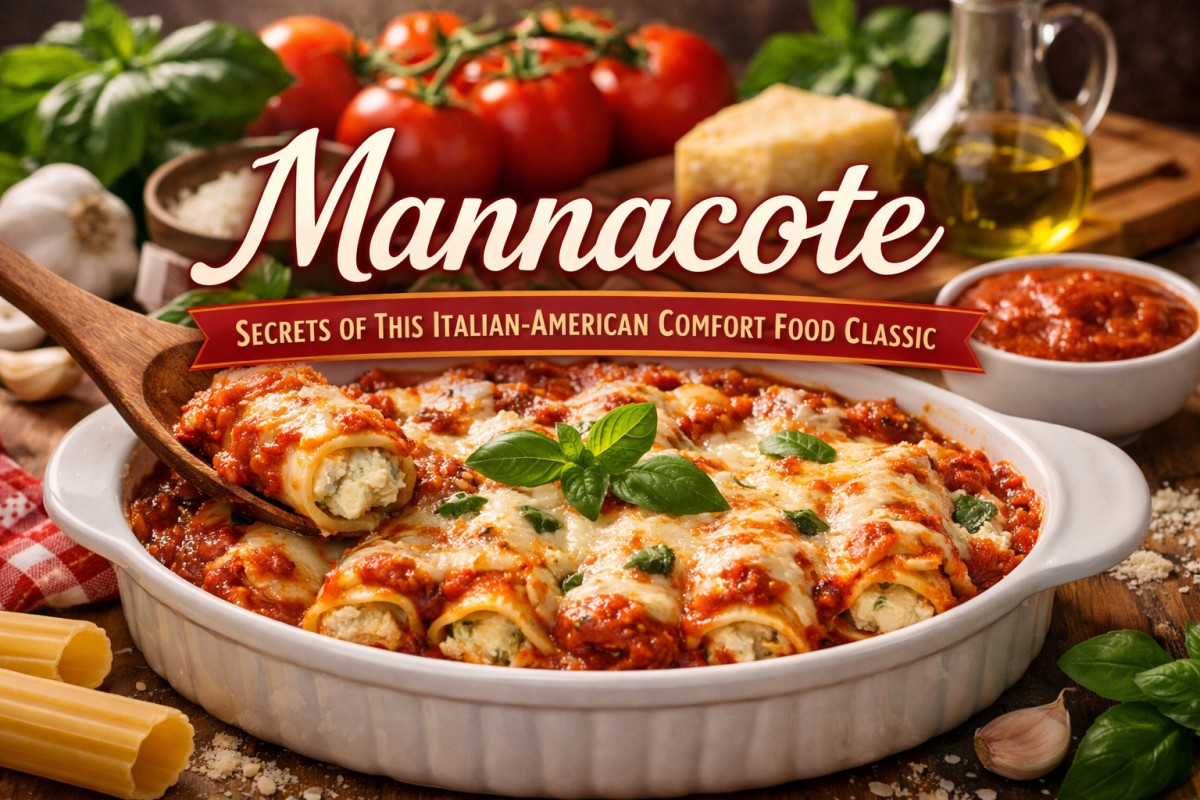
Italian-American cuisine is filled with rich, hearty dishes that bring people together—and Mannacote is no exception. Often confused with manicotti, Mannacote is a beloved comfort food rooted in tradition, family recipes, and simple yet satisfying ingredients. In this guide, we’ll explore what Mannacote is, its origins, how it differs from similar dishes, and the secrets behind making it perfectly at home.
What Is Mannacote?
Mannacote is a baked pasta dish featuring large pasta tubes stuffed with a creamy filling, typically ricotta, herbs, and sometimes meat. The stuffed pasta is layered with tomato sauce and cheese, then baked until bubbling and golden.
The name “Mannacote” is actually a variation of “manicotti,” which comes from the Italian word manicotto, meaning “little sleeve.” Over time, Italian immigrants in America adapted both the pronunciation and preparation, giving rise to regional variations like Mannacote.
Origins of Mannacote
While the dish traces its roots to Italy, Mannacote as we know it today is largely an Italian-American creation. In traditional Italian cuisine, stuffed pasta dishes vary by region and are often more delicate. When Italian immigrants arrived in the United States, they adapted their recipes to use locally available ingredients, leading to richer sauces, larger portions, and more cheese-heavy dishes.
Mannacote became a staple in many households, especially during family gatherings, holidays, and Sunday dinners.
Mannacote vs Manicotti: Is There a Difference?
Though the terms are often used interchangeably, there are subtle differences:
- Manicotti typically refers to the pasta itself—large, ridged tubes.
- Mannacote often describes the prepared dish, especially in Italian-American dialects.
- In some homes, Mannacote is made with thin crepes rather than pasta shells, giving it a softer texture.
Ultimately, the difference is more cultural than culinary.
Key Ingredients That Define Mannacote
A great Mannacote dish relies on a balance of flavours and textures. Here are the essential components:
1. Pasta Shells or Crepes
Traditional recipes use manicotti pasta tubes, but some prefer homemade crepes for a more authentic touch.
2. Ricotta Cheese Filling
The heart of the dish. A classic filling includes:
- Ricotta cheese
- Mozzarella
- Parmesan
- Eggs
- Fresh herbs like parsley or basil
3. Tomato Sauce
A rich marinara or homemade tomato sauce adds depth and moisture.
4. Optional Meat
Ground beef, sausage, or even shredded chicken can be added for a heartier version.
How to Make Mannacote at Home
Creating Mannacote from scratch is easier than it looks. Here’s a simplified step-by-step approach:
Prepare the Filling
Mix ricotta, shredded mozzarella, grated parmesan, eggs, and herbs until smooth.
Cook the Pasta
Boil the pasta shells until al dente. Be careful not to overcook, as they will bake later.
Stuff the Shells
Use a spoon or piping bag to fill each shell evenly.
Layer the Dish
Spread a layer of tomato sauce in a baking dish, arrange the stuffed shells, and cover with more sauce.
Add Cheese and Bake
Sprinkle mozzarella and parmesan on top, then bake at 180°C (350°F) for about 25–30 minutes until bubbly.
Secrets to Perfect Mannacote
Use High-Quality Ricotta
Fresh, creamy ricotta makes a noticeable difference in texture and flavour.
Don’t Overfill
Too much filling can cause the shells to break or become soggy.
Let It Rest Before Serving
Allow the dish to sit for 10–15 minutes after baking.
Balance the Sauce
A slightly tangy tomato sauce complements the richness of the cheese filling.
Variations to Try
Mannacote is incredibly versatile, and you can customise it based on your preferences:
- Vegetarian Version: Add spinach, mushrooms, or zucchini to the filling
- Meat Lover’s Style: Mix sausage or ground beef into the ricotta
- White Sauce Variation: Replace tomato sauce with a creamy béchamel
- Gluten-Free Option: Use gluten-free pasta or crepes
Why Mannacote Remains a Favourite
Mannacote stands out for combining simplicity with indulgence. It’s a dish that feels both nostalgic and satisfying, making it perfect for family dinners, celebrations, or even meal prep.
Its adaptability also makes it appealing—you can make it as traditional or as modern as you like, without losing its comforting essence.
Final Thoughts
Mannacote is more than just a pasta dish—it’s a symbol of how food evolves through culture and tradition. Whether you stick to a classic recipe or experiment with new flavours, mastering Mannacote is all about understanding its balance of textures and ingredients.