

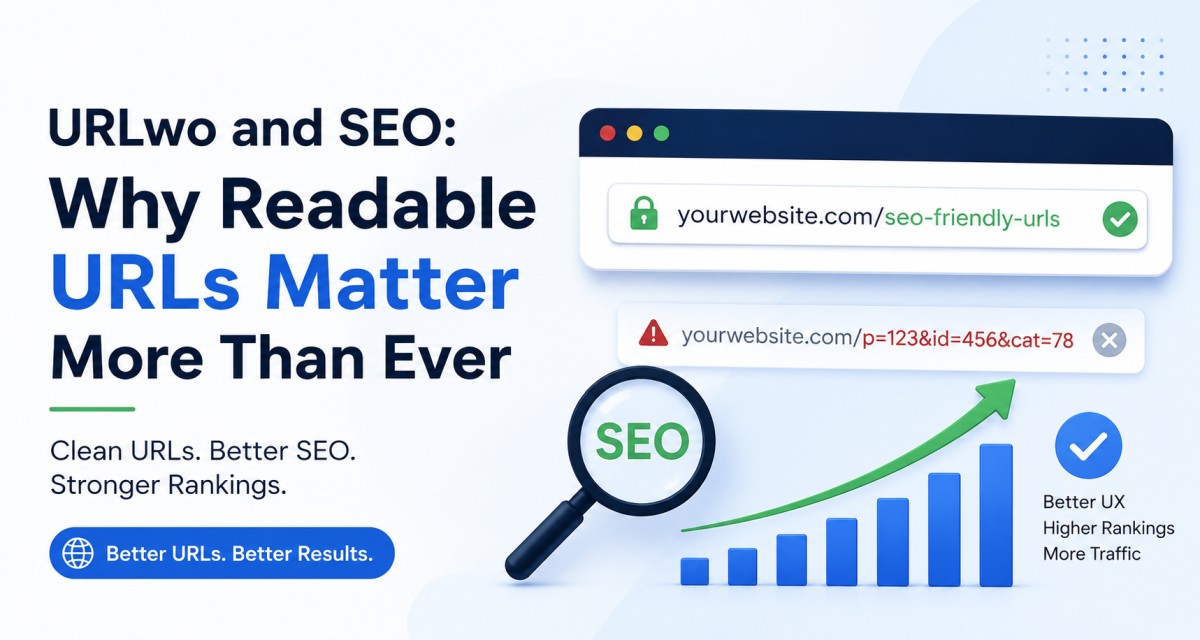
A website’s URL is often the very first thing users notice before visiting a page. Whether someone discovers your content through search engines, social media, or direct sharing, the URL helps create the first impression. Clean and readable URLs instantly communicate professionalism, trust, and clarity.
Over the years, SEO strategies have changed significantly. Search engines no longer reward websites that rely on outdated tactics like keyword stuffing or overly complicated URL structures. Modern SEO focuses more on user experience, content quality, accessibility, and website usability. This is where the concept of URLwo becomes highly relevant. URLwo is an approach that encourages websites to create simple, logical, and user-friendly URLs that people can easily understand. Instead of confusing web addresses filled with numbers, symbols, or random characters, URLwo promotes clarity and readability.
A URL should not only help search engines understand a page but also help users feel confident about clicking it. In this blog, we will explore why readable URLs matter more than ever, how URLwo works, and how businesses can implement better URL structures for long-term SEO success.
What Is URLwo?
URLwo is a modern way of thinking about URL structure. The idea is simple: URLs should be easy for humans to read and understand.
Many websites still use automatically generated URLs that look messy and confusing. For example, a URL like:
example.com/page?id=4839
does not clearly explain what the page contains.
A cleaner version such as:
example.com/education-loan-interest-rates
instantly tells users what to expect.
URLwo focuses on building URLs that improve readability, navigation, and overall website structure. It prioritizes user understanding instead of relying only on technical SEO practices.
Why Readable URLs Matter
Readable URLs play a much bigger role than many website owners realize. A clear URL improves user trust, helps with navigation, and supports overall SEO performance. When users see a clean and understandable URL, they are more likely to click on it. People naturally trust web pages that look organized and professional. On the other hand, long strings of numbers, symbols, or unnecessary words often appear suspicious or confusing.
Readable URLs also improve the overall browsing experience. Visitors can quickly understand where they are on a website and what type of content they are viewing. This creates smoother navigation and reduces confusion. Search engines also benefit from clean URL structures. Although URLs alone are not the strongest ranking factor, they help search engines understand the topic and structure of a page. A properly organized URL contributes to better indexing and improved relevance signals.
Another important advantage is shareability. Short and readable URLs are easier to copy, remember, and share across platforms like WhatsApp, LinkedIn, email campaigns, and social media. In today’s competitive digital environment, every small improvement in usability matters, and readable URLs are an important part of that experience.
The Core Principles Behind URLwo
URLwo is built around a few simple but powerful principles that improve both user experience and website organization. The first principle is clarity. A user should immediately understand what the page is about simply by reading the URL. Clear URLs create confidence and help users decide whether the content is relevant to their needs.
The second principle is simplicity. URLs should avoid unnecessary complexity. Long strings of random numbers, special characters, or excessive keywords reduce readability and make URLs harder to remember. Consistency is another important factor. Websites should maintain a uniform URL structure across all pages. Consistent formatting creates better organization and improves navigation for both users and search engines.
URLwo also emphasizes logical hierarchy. Pages should follow a structured path that reflects the organization of the website. For example:
example.com/loans/education-loan/eligibility
is much easier to understand than a random URL with no clear structure.
Finally, URLwo focuses on human readability over aggressive optimization. Instead of forcing multiple keywords into a URL, the goal is to create natural and meaningful web addresses that provide value to real users.
How URLwo Differs from Traditional SEO Thinking
Traditional SEO practices often encouraged websites to place as many keywords as possible into URLs. This led to overly optimized URLs that looked unnatural and spammy.
For example, older SEO strategies might create URLs like:
example.com/best-low-interest-cheap-education-loan-india
Although this approach aimed to improve rankings, it often reduced readability and harmed user experience.
URLwo takes a more balanced approach. Instead of focusing only on search engines, it focuses on creating URLs that users can easily understand and trust.
Modern search engines have evolved significantly. They now prioritize high-quality user experiences rather than simple keyword repetition. A clean URL like:
example.com/education-loan-interest-rates
looks more professional, easier to read, and more trustworthy. This shift reflects a broader change in SEO where usability and content quality matter more than outdated optimization tactics.
Benefits of Applying URLwo Principles
Websites that apply URLwo principles often experience noticeable improvements in usability and long-term SEO performance.
One major benefit is better website organization. Logical URL structures make it easier for users to navigate different sections of a website. This becomes especially important for large websites with hundreds or thousands of pages. Readable URLs also improve internal linking. When URLs clearly describe content, they become easier to reference across blogs, landing pages, and marketing materials.
Brand trust is another important advantage. Professional and clean URLs create a stronger impression on visitors. Users are more likely to trust websites that appear organized and transparent. From an SEO perspective, URLwo helps create stable and future-proof website structures. Clean URLs remain relevant even as search engine algorithms continue evolving.
Readable URLs also improve accessibility. Users on mobile devices, screen readers, or slower internet connections benefit from simplified and understandable web addresses.
Common URL Mistakes to Avoid
Many websites unintentionally create poor URL structures that negatively affect usability and SEO. One common mistake is using dynamic URLs filled with random parameters and symbols. These URLs are difficult to understand and often look untrustworthy.
Another issue is creating excessively long URLs. While including relevant words is important, extremely long URLs reduce readability and make sharing more difficult. Keyword stuffing is another outdated practice that should be avoided. Repeating multiple keywords inside a URL creates an unnatural appearance and weakens user trust.
Frequent URL changes can also create problems. Changing URLs without proper redirects may break existing links and reduce SEO value. Websites should carefully plan their URL structures before publishing content. Some websites also ignore proper hierarchy. When pages are not organized logically, navigation becomes confusing for both users and search engines. Avoiding these mistakes can significantly improve website quality and user experience.
How to Implement URLwo on Your Website
The first step in implementing URLwo is reviewing your current website URLs. Identify pages that contain unnecessary parameters, unclear naming, or poor structure. This audit helps reveal areas that need improvement. After reviewing existing URLs, the next step is building a logical website structure. Categories and subcategories should follow a natural flow that reflects the organization of the content.
For example, a finance website may organize pages under sections like loans, credit cards, insurance, or investments. Each URL should clearly reflect its position within the website. The next step is rewriting URLs using descriptive and meaningful words. Focus on clarity rather than excessive optimization. A user should immediately understand the page topic after reading the URL.
If URLs need to be changed, proper redirects are extremely important. Using 301 redirects helps preserve existing SEO value while guiding users to updated pages without errors. It is also important to maintain consistency across the entire website. Using lowercase letters, hyphens between words, and shorter URL formats creates a cleaner and more professional structure.
The Future of SEO and Readable URLs
SEO is becoming increasingly focused on user experience. Search engines want to deliver results that are helpful, trustworthy, and easy to navigate. As websites continue growing more competitive, user-friendly design elements will become even more important. Readable URLs contribute to this experience by making websites simpler and easier to understand.
URLwo reflects the future direction of modern SEO. Instead of relying on manipulative tactics, it encourages websites to prioritize usability, clarity, and logical organization. Websites that invest in clean URL structures today will build stronger foundations for future growth.
Conclusion
Readable URLs are no longer just a small technical detail. They play a major role in improving user trust, navigation, accessibility, and overall website quality.
URLwo provides a practical framework for creating cleaner and more meaningful URL structures that benefit both users and search engines.
As modern SEO continues evolving, websites that prioritize simplicity and usability will gain long-term advantages. Clean URLs help create better digital experiences while supporting stronger website organization and improved search visibility.
If you want to build a professional and future-ready website, improving your URL structure is one of the smartest decisions you can make.