

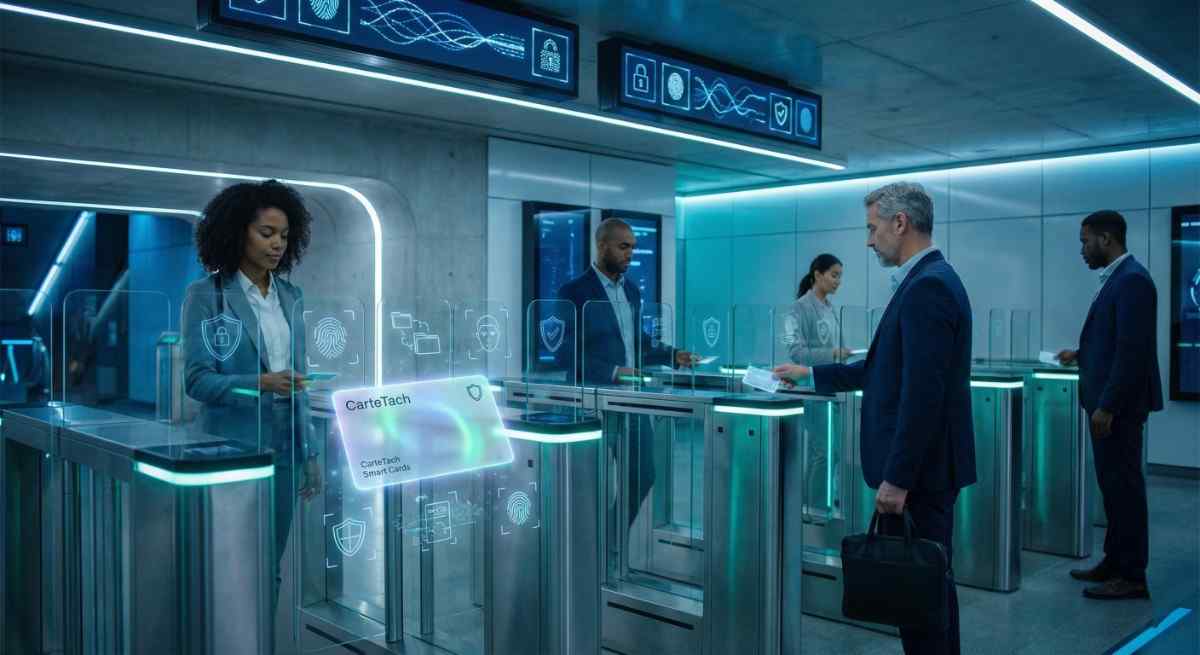
The evolution of public transportation has reached a pivotal moment with the widespread adoption of smart card technology. Among the most significant developments in this space is the CarteTach Smart Card, which has revolutionized how commuters interact with transit systems while prioritizing security, convenience, and efficiency. As we navigate through 2025, understanding how to maximize the safety features of this technology has become essential for millions of daily users.
Understanding the CarteTach Smart Card System
The CarteTach Smart Card represents a sophisticated blend of contactless payment technology and advanced security protocols. Unlike traditional paper tickets or magnetic stripe cards, CarteTach utilizes radio-frequency identification (RFID) and near-field communication (NFC) technology to facilitate seamless transactions across multiple transportation networks. The card contains an embedded microchip that stores encrypted payment information, travel history, and user credentials, all protected by multiple layers of security.
What sets CarteTach apart from its predecessors is its integration of real-time monitoring systems and enhanced encryption standards that comply with international security regulations. The 2025 version incorporates biometric verification options, dynamic security codes, and artificial intelligence-driven fraud detection mechanisms that work silently in the background to protect users from unauthorized access and financial theft.
Setting Up Your CarteTach Card Securely
The first step toward safer transport begins with proper card activation and registration. When you receive your CarteTach Smart Card, immediately register it through the official mobile application or web portal. This crucial step links the card to your identity and enables recovery options if the card is lost or stolen. During registration, create a strong, unique PIN that combines numbers and letters, avoiding easily guessable combinations like birthdays or sequential numbers.
Enable all available notification features during setup. CarteTach offers real-time alerts for every transaction, balance changes, and suspicious activity. These notifications can be delivered via SMS, email, or push notifications through the mobile app. By activating these features, you create an immediate warning system that alerts you to any unauthorized use within seconds of occurrence.
Consider linking your CarteTach card to a dedicated transit account rather than your primary bank account. This compartmentalization strategy limits potential financial exposure if security is compromised. Many users maintain a separate prepaid account specifically for transportation expenses, automatically reloading from their main account only when needed.
Physical Security Best Practices
While digital security features are robust, physical protection of your CarteTach card remains paramount. The card should be stored in an RFID-blocking wallet or sleeve when not in use. These protective accessories prevent unauthorized scanning by would-be thieves using portable RFID readers in crowded spaces like subway platforms or bus terminals. Modern skimming devices can read contactless cards from several inches away, making physical shielding an essential precaution.
Never share your CarteTach card with others, even family members or close friends. Each card is registered to a specific individual, and shared usage can complicate fraud investigations and compromise your ability to track expenses accurately. If multiple family members need transit access, obtain separate cards for each person and take advantage of family plan discounts offered by many transit authorities.
Regularly inspect your card for physical damage, scratches, or tampering. The microchip and antenna system are delicate components that can malfunction if the card is bent, exposed to extreme temperatures, or subjected to electromagnetic interference. Replace damaged cards immediately through official channels to maintain optimal security and functionality.
Digital Security Measures
The CarteTach mobile application serves as your primary interface for managing card security. Keep this app updated to the latest version, as updates frequently include critical security patches and enhanced protection features. Enable biometric authentication—fingerprint or facial recognition—for app access, adding an extra layer of protection beyond traditional passwords.
Within the app settings, activate two-factor authentication for all sensitive operations, including balance transfers, card replacement requests, and profile modifications. This security measure requires verification through a secondary device or method, significantly reducing the risk of unauthorized account changes even if someone obtains your login credentials.
Regularly review your transaction history through the app or website portal. CarteTach systems maintain detailed logs of every tap, including location, time, fare charged, and remaining balance. Familiarize yourself with your typical usage patterns so anomalies become immediately apparent. If you notice transactions you didn’t authorize, report them immediately through the app’s fraud reporting feature.
Set up balance thresholds and spending limits within your account preferences. CarteTach allows users to establish maximum daily or weekly spending caps, automatic alerts when balances fall below specific amounts, and restrictions on international usage if your card has cross-border functionality. These proactive measures provide additional safeguards against fraudulent activity.
Safe Usage in Transit Environments
When using your CarteTach card at readers and validators, maintain awareness of your surroundings. Shield the card and reader with your hand or body while tapping to prevent others from observing your actions. Though the card doesn’t require PIN entry for most transactions, this privacy practice prevents potential thieves from identifying you as a cardholder and targeting you for theft.
In crowded transit stations, be particularly vigilant during peak hours when pickpockets and opportunistic thieves operate most actively. Keep your CarteTach card in a front pocket or secure inner compartment rather than in easily accessible locations like back pockets or open bags. If wearing a lanyard holder, tuck the card inside your clothing rather than displaying it openly.
Be cautious of individuals who offer “help” with card readers or validators, especially if you’re unfamiliar with a transit system. Scammers sometimes pose as helpful passengers or even fake transit employees to gain access to cards or observe PINs. If you need assistance, seek help from uniformed transit officials in official service centers or information booths.
Protecting Your Personal Information
CarteTach cards store limited personal information by design, but the associated account contains substantial data, including your name, payment details, travel patterns, and contact information. Protect this information by never accessing your CarteTach account through public WiFi networks, which are vulnerable to interception and man-in-the-middle attacks. Use cellular data or a trusted VPN service when managing your account on mobile devices in public spaces.
Be wary of phishing attempts targeting CarteTach users. Scammers frequently send emails or text messages claiming to be from transit authorities, requesting account verification, password resets, or payment information updates. CarteTach and legitimate transit operators never request sensitive information through unsolicited communications. Always access your account directly through the official app or website rather than clicking links in messages.
Create a unique email address specifically for your CarteTach account if possible. This isolation strategy prevents cross-contamination if other accounts are compromised and makes it easier to identify genuine communications from phishing attempts. Use a secure password manager to generate and store complex credentials for both your CarteTach account and associated email address.
Emergency Procedures and Card Loss
Despite the best precautions, cards can be lost or stolen. CarteTach provides multiple emergency response options to minimize damage and facilitate quick recovery. The moment you discover your card is missing, immediately use the mobile app or website to suspend the card. This action prevents further transactions while maintaining your account balance and travel history.
Most CarteTach systems offer temporary digital cards through their mobile applications, allowing continued transit access while you await a physical replacement. These virtual cards contain the same security features as physical cards and can be used at any NFC-enabled reader throughout the network. Request a replacement physical card simultaneously, which typically arrives within five to seven business days.
If your phone is lost along with your card, contact CarteTach customer service immediately through their 24-hour hotline. Customer service representatives can suspend both your physical card and mobile app access, preventing unauthorized use. They can also verify recent transactions to identify potential fraud and initiate the recovery process from any location.
File a police report if you believe your card was stolen rather than simply lost. This documentation may be required for fraud investigations and can expedite reimbursement processes if unauthorized transactions occurred before you suspended the card. Many transit authorities work closely with law enforcement to track and prosecute transit payment fraud.
Advanced Security Features in 2025
The 2025 CarteTach system incorporates cutting-edge security technologies that represent significant advances over previous generations. Biometric verification options now include palm vein scanning at major transit hubs, providing an even more secure authentication method than fingerprints or facial recognition. These systems match the unique vein patterns in your palm to your registered profile, making unauthorized use virtually impossible.
Artificial intelligence monitors every transaction for behavioral anomalies. The system learns your typical travel patterns, including common routes, times of day, and transaction frequencies. If the AI detects unusual activity—such as your card being used in a distant location shortly after a local transaction—it can automatically trigger alerts or temporarily suspend the card pending verification.
Blockchain technology now underlies CarteTach’s transaction ledger, creating an immutable record of every interaction. This distributed ledger approach makes it extraordinarily difficult for bad actors to alter transaction histories or inject fraudulent entries into the system. Users benefit from enhanced transparency and the ability to verify the authenticity of every transaction independently.
Conclusion
The CarteTach Smart Card represents the future of public transportation payment systems, offering unprecedented convenience matched by robust security measures. By following the guidelines outlined in this comprehensive guide, users can confidently navigate modern transit networks while minimizing risks and maximizing the benefits of this innovative technology.
Safety in smart card usage requires a combination of technological understanding, practical security habits, and constant vigilance. Register your card properly, protect it physically and digitally, monitor your account regularly, and respond quickly to any security concerns. The CarteTach system provides powerful tools for protection, but their effectiveness depends on informed and proactive users.
As transportation technology continues evolving, staying informed about new features, emerging threats, and best practices remains essential. Regular consultation of official CarteTach resources, participation in user education programs, and adoption of newly released security features will ensure you remain protected while enjoying the seamless convenience that smart card technology provides. Your journey toward safer transport begins with knowledge, continues with diligent practice, and results in peace of mind every time you tap your card and travel with confidence.
For more…