

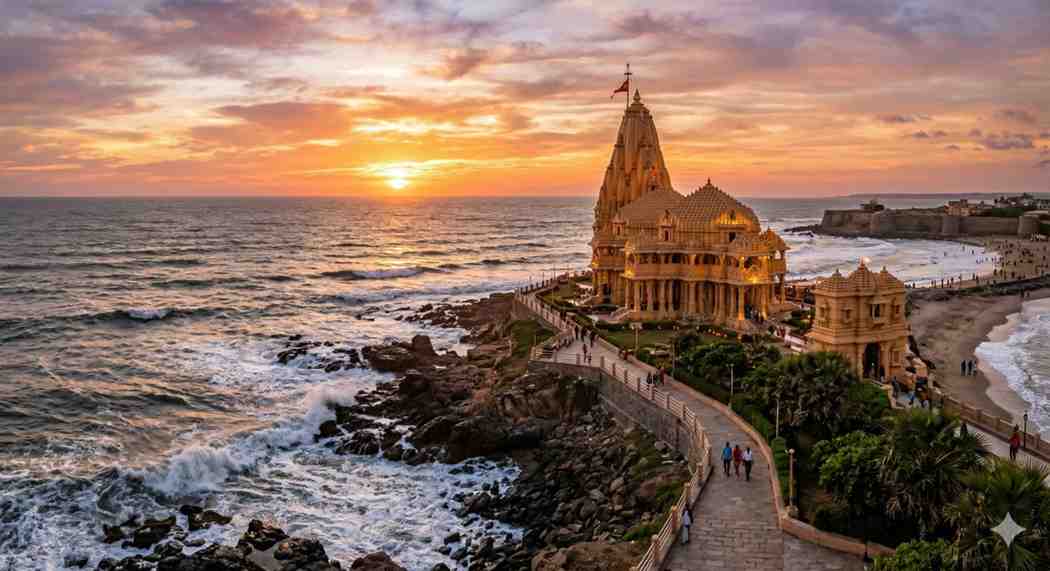
Nestled along the southwestern coast of Gujarat, Somnath is a destination that seamlessly weaves together ancient mythology, architectural grandeur, and the serene beauty of the Arabian Sea. As one of India’s most significant pilgrimage centers, Somnath attracts millions of visitors annually, yet it remains a gateway to numerous lesser-known treasures scattered across the Saurashtra region. This guide takes you beyond the temple premises to discover the diverse experiences awaiting travelers in and around Somnath.
The Legacy of Somnath
Somnath’s history reads like an epic tale of destruction and resurrection. The temple has been rebuilt seven times, each reconstruction a symbol of unwavering faith. The current structure, completed in 1951, stands majestically on the shore, its shikhara (spire) reaching toward the sky while waves crash against the rocks below. The temple’s architecture follows the Chalukya style, featuring intricate stone carvings that depict various forms of Lord Shiva, celestial beings, and scenes from Hindu scriptures.
What makes Somnath particularly special is its location. According to ancient texts, the temple is positioned at a point where no landmass exists between it and Antarctica if you draw a straight line across the ocean. An arrow on the temple premises marks this geographic peculiarity, fascinating visitors with its unique feature.
Planning Your Somnath Journey
When to Visit
Winter Months (November-February): The most comfortable time with temperatures ranging from 15°C to 28°C. Clear skies make it perfect for exploring outdoor attractions and beach activities.
Summer (March-May): Temperatures soar to 42°C, making daytime exploration challenging. However, early mornings and evenings remain pleasant, and you’ll encounter fewer tourists.
Monsoon (June-September): The region receives moderate rainfall. While the landscape turns lush green and the temple looks dramatic against monsoon clouds, some outdoor activities might be restricted.
Somnath is well-connected to major cities across India:
Air Travel: Diu Airport (63 km) is the closest, followed by Rajkot Airport (165 km) and Porbandar Airport (120 km). From any of these airports, you’ll need road transportation to reach Somnath.
Rail Connectivity: Somnath Railway Station has direct trains from Mumbai, Ahmedabad, and other Gujarati cities. The Somnath Express and Veraval Express are popular options.
Road Journey: National Highway 51 connects Somnath to major cities. State-run buses, private coaches, and taxis are readily available.
For travelers looking to explore multiple destinations around Somnath efficiently, utilizing a Somnath tour and travel service ensures you don’t miss hidden gems while managing time effectively between locations.
Sacred Sites Within Somnath
The Somnath Temple Complex
The temple opens its doors at 6:00 AM, and the morning aarti creates a spiritually charged atmosphere. The main deity, the Somnath Jyotirlinga, resides in the sanctum sanctorum where photography is prohibited. The temple complex includes:
- Ahilyabai Temple: A smaller shrine within the premises
- Archaeological Museum: Displays artifacts and sculptures recovered during excavations
- Sound and Light Show: Held every evening (except Mondays) in multiple languages, narrating the temple’s glorious history
Triveni Sangam
Located just 1.5 km from the main temple, Triveni Sangam represents the mystical confluence of three rivers, Hiran, Kapila, and the mythical Saraswati. Pilgrims believe that bathing here cleanses sins and brings spiritual merit. The beach stretches wide and clean, with minimal commercial activity, making it ideal for peaceful contemplation and watching fishermen at work with their traditional nets.
Bhalka Tirth and Dehotsarg
These interconnected sites mark the spot where Lord Krishna was mistakenly struck by a hunter’s arrow and subsequently left his mortal body. The temple at Bhalka Tirth features beautiful architecture, while Dehotsarg, located nearby, has a Krishna temple with a reclining deity. The serene atmosphere here provides a contemplative experience away from the main temple crowds.
Suraj Mandir (Sun Temple)
Positioned on the shores, this temple dedicated to the Sun God offers spectacular sunrise views. Though smaller than the main temple, its peaceful setting and ocean backdrop make it worth visiting.
Coastal Attractions Near Somnath
Somnath Beach
Directly behind the temple, this beach stretches for kilometers with golden sand and clear waters. Unlike commercialized beaches, Somnath Beach retains a tranquil character. The sunset here, with the temple silhouette creating a dramatic backdrop, is absolutely breathtaking. Early mornings see local fishermen bringing in their catch, offering glimpses into traditional coastal livelihoods.
Veraval (5 km)
This active fishing port town serves as the base for Somnath. Key attractions include:
- Fishing Harbor: One of India’s largest fishing ports, where you can observe the bustling fish trade
- Patan Mahal: A 19th-century royal residence showcasing Indo-Saracenic architecture
- Local Markets: Offering fresh seafood, textiles, and traditional Gujarati items
Wildlife and Nature Escapades
Gir National Park (45 km)
The last refuge of the Asiatic lion, Gir National Park,k is a must-visit for wildlife enthusiasts. Spanning 1,412 square kilometers, the park offers:
Safari Experiences: Morning and afternoon safaris provide opportunities to spot lions, leopards, striped hyenas, sambar deer, spotted deer, nilgai, and over 300 bird species.
Safari Zones: Divided into multiple zones, such as Sasan, Devalia, and Kamleshwar, each offering different terrain and wildlife sighting possibilities.
Devaliya Safari Park: An interpretation zone where sightings are more guaranteed, ideal for those with limited time.
Best Practices:
- Book online through the Gujarat Forest Department website at least 3-4 days in advance
- Maintain silence during safaris
- Follow the guide instructions strictly
- Carry binoculars and cameras with good zoom lenses
Crocodile Park
Located near the Hiran River, this breeding center for marsh crocodiles offers educational insights into conservation efforts. A short visit here complements your wildlife experience.
Historical Destinations Around Somnath
Junagadh (85 km)
This historical city, nestled at the foot of Mount Girnar, presents a fascinating mix of Hindu, Buddhist, and Islamic heritage.
Uperkot Fort: This 2,300-year-old fort features impressive step-wells (Adi Kadi Vav and Navghan Kuwo), Buddhist caves, and ancient cannons. The fort walls, up to 20 meters high in places, showcase remarkable military architecture.
Mahabat Maqbara: An architectural marvel combining Indo-Islamic-Gothic styles, this mausoleum features intricate stone carvings, winding staircases, and silver-studded doors.
Girnar Mountain: A sacred pilgrimage site with over 10,000 steps leading to Jain and Hindu temples. The climb takes 4-5 hours, but ropeways now make the journey easier. The view from the top encompasses the entire Saurashtra region.
Ashokan Edicts: Rock inscriptions from Emperor Ashoka dating to 250 BCE, making them some of India’s oldest surviving written records.
Prabhas Patan (5 km)
Once the main center before Somnath Temple’s reconstruction, Prabhas Patan houses:
- Prabhas Patan Museum: Extensive collection of sculptures, architectural fragments, and inscriptions spanning several centuries
- Ancient Temple Ruins: Scattered around the area, offering insights into medieval temple architecture
Chorwad Beach and Palace (40 km)
A former royal retreat, Chorwad offers pristine beaches and the beautiful Chorwad Palace, now converted into a heritage resort. The beach remains uncrowded and clean, perfect for a relaxed afternoon.
The Portuguese Trail
Diu (63 km)
Though administratively separate from Gujarat, Diu is culturally and geographically part of the Somnath circuit. This former Portuguese colony offers distinct experiences:
Diu Fort: Built in 1535, this massive fort overlooks the sea with ramparts, bastions, a chapel, and a lighthouse. Sunset from the fort walls is magical.
St. Paul’s Church: One of India’s finest Baroque churches with elaborate wood carvings and impressive architecture.
Naida Caves: Natural rock formations creating maze-like passageways, perfect for photography and exploration.
Beaches:
- Nagoa Beach: Horseshoe-shaped with calm waters, ideal for swimming and water sports
- Ghoghla Beach: Gujarat’s longest beach, serene and clean
- Jallandhar Beach: Named after a demon from mythology, featuring a beautiful Jallandhar shrine
Gangeshwar Temple: A unique Shiva temple where waves wash over the lingas during high tide.
Diu Museum: Housed in St. Thomas Church, displaying wooden sculptures, shadow clocks, and Portuguese artifacts.
Sacred Circuits Beyond Somnath
Dwarka (230 km)
One of Hinduism’s Char Dham pilgrimage sites and Krishna’s legendary kingdom:
Dwarkadhish Temple: A five-story structure supported by 60 pillars with intricate carvings. The main deity is believed to be 2,500 years old.
Bet Dwarka: An island 30 km from Dwarka accessible by boat, housing ancient temples and believed to be Krishna’s original residence.
Nageshwar Jyotirlinga: One of the twelve Jyotirlingas featuring a massive 25-meter-high statue of Lord Shiva.
Rukmini Devi Temple: Beautiful 12th-century temple dedicated to Krishna’s consort, showcasing superb stone carvings.
Gomti Ghat: Where devotees take holy dips before temple visits.
Porbandar (120 km)
Mahatma Gandhi’s birthplace offers both spiritual and historical attractions:
Kirti Mandir: Gandhi’s ancestral home converted into a memorial museum, preserving personal belongings and photographs.
Sudama Temple: Dedicated to Krishna’s childhood friend, this temple has beautiful architecture and peaceful surroundings.
Porbandar Beach: Clean, wide beach perfect for evening strolls.
Barda Hills Wildlife Sanctuary: Home to leopards, hyenas, and various bird species, offering trekking opportunities.
Offbeat Destinations
Madhavpur Beach (60 km)
Known for the annual Madhavpur Mela celebrating the marriage of Krishna and Rukmini, this beach remains pristine and uncommercial. The temple here is architecturally interesting, and the beach offers solitude.
Sasan (45 km)
The gateway to Gir Forest, Sasan itself is worth exploring with tribal villages nearby where you can experience Maldhari culture, the traditional lion herders who’ve coexisted with wildlife for generations.
Tulsi Shyam (100 km)
Famous for hot water springs believed to have medicinal properties, this small town also features ancient temples and beautiful natural surroundings in the Gir Forest foothills.
Culinary Journey Through Saurashtra
Gujarati cuisine, predominantly vegetarian, offers an incredible variety:
Traditional Dishes to Try:
- Gujarati Thali: A complete meal experience with multiple preparations including vegetables, dal, kadhi, rotis, rice, farsan, and sweets
- Khichdi-Kadhi: Comfort food combination, especially popular during monsoons
- Dhokla: Steamed fermented rice and chickpea flour cake
- Khandvi: Rolled gram flour delicacy with mustard and coconut
- Undhiyu: Winter specialty, mixed vegetable dish cooked underground
- Mohanthal: Rich gram flour fudge
- Shrikhand: Sweetened yogurt dessert flavored with cardamom and saffron
Where to Eat:
- Local thali restaurants near the temple
- GSRTC Guest House restaurant for authentic Gujarati meals
- Various restaurants along the beach road
- For non-vegetarian food, head to Diu
Sweet Treats: Gujarati cuisine is notably sweet, with sugar often added to savory dishes. Try local sweets like basundi, jalebi, and various milk-based desserts.
Accommodation Options
Budget-Friendly
- Government-run guest houses
- Temple trust accommodations
- Basic hotels near the bus station
- Dharamshalas for pilgrims
Mid-Range
- Hotel Shiv Shakti
- Somnath Atithi Gruh (Gujarat Tourism)
- Hotel Rajkumar
- Various 3-star properties along the main road
Luxury and Resorts
- The Grand Daksh Hotel & Resort
- Safari Lodge near Gir (for wildlife enthusiasts)
- Heritage properties in Junagadh
- Beach resorts in Diu
Practical Travel Tips
Temple Etiquette:
- Remove footwear before entering
- Modest dress code mandatory (no shorts, sleeveless tops)
- Photography is prohibited inside the sanctum
- Mobile phones must be silent
Local Transportation:
- Auto-rickshaws for short distances
- Rented bikes or cars for exploring nearby areas
- State buses connect all major destinations
- Private taxis available for day trips
Money Matters:
- ATMs available in Somnath and Veraval
- Carry sufficient cash, as smaller vendors don’t accept cards
- TempleTrust accepts online donations
Safety:
- Somnath is very safe for solo travelers and families
- Beach areas are well-lit in the evening
- Respect local customs and dress modestly
- Stay hydrated, especially in summer
Communication:
- Gujarati and Hindi are widely spoken
- English is understood in tourist areas
- Mobile connectivity excellent with all major networks
Sample Itineraries
3-Day Spiritual Focus
Day 1: Arrive Somnath, visit the main temple, evening aarti, light and sound show. Day 2: Bhalka Tirth, Triveni Sangam, Prabhas Patan Museum, Somnath Beach sunrise.t Day 3: Early morning temple visit, Veraval fishing harbor, departure
5-Day Comprehensive Tour
Day 1: Somnath temple and local sights Day 2: Full day Gir National Park safari Day 3: Junagadh (Uperkot Fort, Girnar) Day 4: Diu exploration Day 5: Porbandar or Dwarka day trip
7-Day Complete Circuit
Day 1-2: Somnath and surrounding areas Day 3: Gir National Park Day 4: Junagadh with Girnar climb/ropeway Day 5-6: Diu relaxation and sightseeing Day 7: Dwarka temples and Bet Dwarka
Shopping and Souvenirs
What to Buy:
- Rudraksha beads and malas
- Religious idols and temple souvenirs
- Gujarati bandhani textiles
- Wooden handicrafts
- Traditional jewelry
- Local spices and pickles
Shopping Areas:
- Markets near Somnath Temple
- Veraval’s main bazaar
- Junagadh’s old market
- Diu for Portuguese-influenced items
Conclusion
Somnath and its neighboring destinations offer a rare combination of spiritual depth, historical richness, wildlife adventures, and coastal beauty. While the Somnath Temple remains the primary draw, the region rewards travelers who venture beyond with unforgettable experiences, whether it’s spotting Asiatic lions in Gir, exploring Portuguese heritage in Diu, climbing the sacred Girnar mountain, or simply watching the sun set over the Arabian Sea.
The key to fully appreciating this region lies in taking your time, immersing yourself in local culture, and allowing each destination to reveal its unique character. Whether you’re on a spiritual quest, a historical exploration, or simply seeking diverse experiences, the Saurashtra region around Somnath delivers abundantly.
Plan well, travel mindfully, and let the ancient land of Somnath and its surroundings weave their magic around you.