

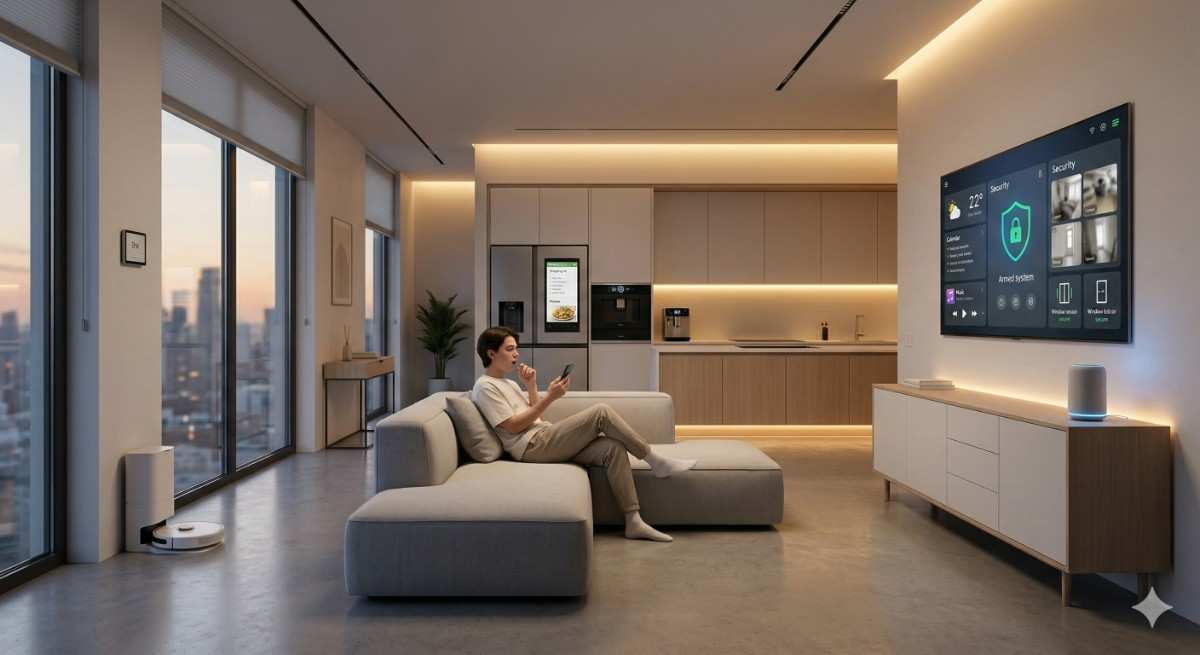
From smart appliances to AI-powered security systems, technology in real estate and home living is transforming the way we interact with our spaces every single day.
Introduction
The home has always been a place of comfort, safety, and personal expression. But in the 21st century, it has become something more of a connected, intelligent, and responsive environment shaped by technology. The rise of smart devices, high-speed internet, and artificial intelligence has fundamentally changed what it means to live at home.
Whether you are a homeowner, a renter, or a real estate investor, understanding how technology in real estate is reshaping modern living is no longer optional. It is essential.
1. Smart Home Devices: The Foundation of Modern Living
The smart home revolution has made everyday tasks simpler and more efficient. Devices that were once considered futuristic are now affordable and widely available.
Common smart home technologies include:
- Smart speakers (Amazon Echo, Google Nest) are voice-controlled assistants that manage music, reminders, and home controls
- Smart thermostats (Nest, Ecobee) learn your schedule and adjust temperature automatically to save energy
- Smart lighting (Philips Hue, LIFX) allows remote control, scheduling, and mood-based lighting via smartphone
- Smart plugs and switches turn any appliance into a connected device
These tools give homeowners unprecedented control over their environment, often reducing energy bills by 10–30% through intelligent automation.
2. Home Security Has Gone Digital
Traditional locks and CCTV cameras have been replaced by sophisticated, AI-powered security ecosystems. Modern home security now includes:
- Video doorbells (Ring, Nest Hello) see and speak to visitors remotely from anywhere in the world
- Smart locks keyless entry with access logs, temporary PINs for guests, and remote locking/unlocking
- AI motion detection security cameras that distinguish between people, animals, and vehicles
- 24/7 professional monitoring via apps, instant alerts sent directly to your phone
For homeowners and property managers, this shift in technology in real estate has significantly raised the baseline for what “secure living” means.
3. Energy Efficiency and Sustainability at Home
Technology is making homes greener than ever before. Homeowners are increasingly using tech to reduce their carbon footprint and lower utility costs.
Key innovations include:
- Solar panels with smart inverters monitor and optimize energy production in real time
- Smart energy monitors (Sense, Emporia) show exactly how much electricity each appliance consumes
- Automated blinds and window films regulate indoor temperature passively by responding to sunlight
- As electric vehicles grow, home charging becomes a standard feature at home
Sustainable technology in real estate is no longer just a selling point. It is becoming a buyer expectation.
4. The Rise of the Connected Kitchen
The kitchen has seen one of the most dramatic tech-driven transformations in the modern home.
- Smart refrigerators can track expiry dates, suggest recipes, and create a grocery list.s
- Wi-Fi-enabled ovens and microwaves can be preheated remotely or set via voice command.
- Dishwashers with AI load sensing automatically choose the right water usage and cycle.
- Smart coffee makers brew your morning cup on a schedule you set from bed
These innovations save time, reduce food waste, and make the kitchen a far more efficient space.
5. Remote Work and the Evolution of the Home Office
The global shift toward remote and hybrid work has redefined how homes are designed and used. Technology has enabled millions of people to transform a spare room or even a corner into a fully functional office.
Technology enabling home-based work:
- High-speed fibre internet and mesh Wi-Fi systems ensure seamless connectivity throughout the home
- Video conferencing tools (Zoom, Teams, Google Meet) have replaced commutes with digital meetings
- Smart desks and ergonomic setups with height-adjustable features and health tracking
- Cloud storage and collaboration tools allow teams to work together from anywhere
This trend has also directly impacted technology in real estate, with homebuyers now prioritizing properties with dedicated office spaces and strong broadband infrastructure.
6. Entertainment and the Connected Living Room
The living room has evolved from a TV-watching zone to a full digital entertainment hub.
- 4K and 8K smart TVs stream thousands of channels, movies, and games with no cable required
- Streaming services (Netflix, Disney+, Amazon Prime) are now the primary source of entertainment
- Smart soundbars and surround systems that sync automatically with TV content
- Gaming consoles and cloud gaming bring immersive experiences directly into the home
- Smart home theatres can be controlled entirely by voice or smartphone
7. Health and Wellness Technology in the Home
Health is increasingly managed from home, thanks to consumer technology.
- Smart fitness equipment (Peloton, Mirror) brings professional-grade workouts indoors.s
- Sleep trackers (Withings, Oura Ring) analyze sleep quality and recommend improvements.
- Air quality monitors track pollutants, CO₂, humidity, and allergens inside the home.
- Smart bathroom scales and health monitors sync data to apps for long-term tracking
The home is becoming a personal wellness centre, reducing the need for expensive gym memberships or frequent clinic visits.
8. How Technology in Real Estate is Shaping Property Decisions
The impact of technology extends well beyond the walls of the home itself. It is deeply influencing how properties are bought, sold, and valued.
For Buyers:
- Virtual property tours using 3D scanning (Matterport) allow buyers to explore homes remotely
- AI-powered property search platforms match buyers with homes based on preferences and budget
- Digital mortgage applications and e-signing tools have streamlined the buying process
For Sellers and Agents:
- Automated Valuation Models (AVMs) provide near-instant property price estimates
- Drone photography offers stunning aerial views that make listings stand out
- CRM platforms and AI chatbots help agents respond to enquiries 24/7
For Investors:
- Proptech platforms (Roofstock, Fundrise) allow fractional real estate investment only.
- Predictive analytics tools help identify high-growth neighbourhoods before prices rise.
- Smart building management systems help landlords manage multiple properties remotely.
Technology in real estate is democratising access to property markets and making transactions faster, more transparent, and more data-driven than ever before.
9. Challenges and Considerations
While the benefits are substantial, technology-driven home living comes with challenges worth acknowledging:
- Privacy concerns: Smart devices collect vast amounts of personal data
- Cybersecurity risks: Connected homes can be vulnerable to hacking if not properly secured
- Digital divide: Not all households have equal access to smart home technologies
- Dependence on connectivity: Many systems fail without a stable internet connection
- Upfront costs: Smart home upgrades can require significant initial investment
Homeowners should take a thoughtful approach to adopting new technology, prioritizing devices that offer genuine value and strong security standards.
10. The Future of Technology in Home Living
Looking ahead, the intersection of technology and home life will only deepen. Here is what to expect in the coming years:
- AI home assistants: that learn your habits and fully automate daily routines
- Matter protocol: a universal smart home standard that makes all devices work seamlessly together
- Augmented Reality (AR) interior design: visualize furniture and renovations before purchasing
- Robotic home assistants: for cleaning, security, and elder care
- Biometric access systems: replacing all physical keys and cards
- 5G-powered smart neighbourhoods: where homes, transport, and services are fully integrated
The home of the future will not just shelter us. It will actively support our health, productivity, safety, and sustainability goals.
Conclusion
Technology is no longer a luxury feature of the modern home. It is the backbone of how we live, work, and connect. From the smart thermostat that learns your schedule to the AI tools transforming technology in real estate, these innovations are making homes more efficient, secure, comfortable, and sustainable.
Whether you are upgrading your current home or planning a new purchase, embracing these technologies is an investment not just in your property but in your quality of life.