

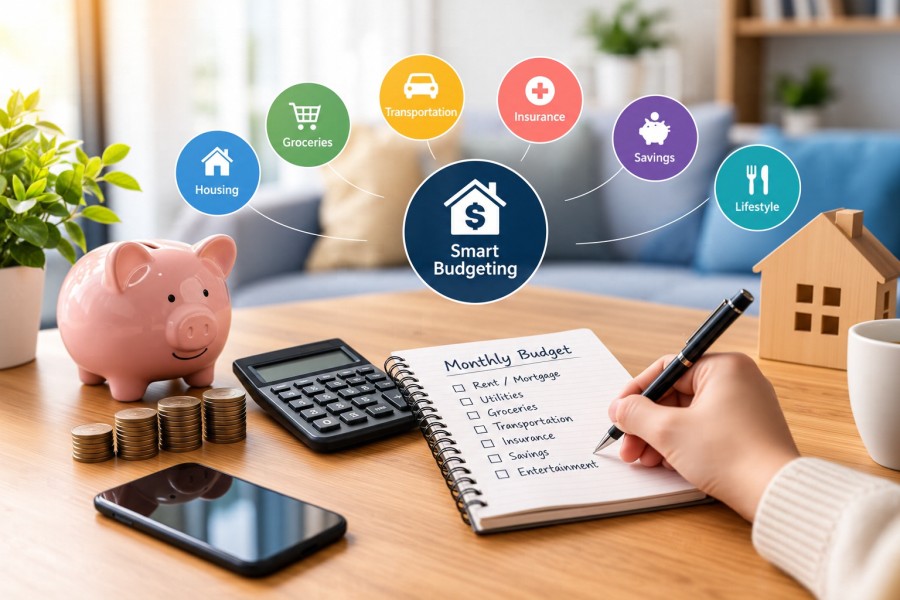
Managing household finances can be challenging when everyday expenses, housing costs, groceries, transportation, and utility bills continue to increase. For many American families, creating a realistic monthly budget is an important step toward financial stability. A well-planned budget helps households control spending, manage bills, build savings, and prepare for unexpected expenses.
Whether you live alone, support a family, or manage a household with multiple income sources, developing smart budgeting habits can make a meaningful difference. Here are some practical budgeting tips to help American households manage their money more effectively.
1. Understand Your Monthly Income and Expenses
The first step toward better budgeting is knowing exactly how much money comes into your household and where it goes.
Calculate your total monthly income after taxes, including salaries, freelance earnings, and other regular sources of income.
Next, identify your expenses, such as:
- Rent or mortgage payments
- Electricity, water, and internet bills
- Groceries and household supplies
- Transportation and fuel
- Insurance premiums
- Loan and credit card payments
- Entertainment and subscriptions
Reviewing these expenses helps you identify spending patterns and areas where you may be able to save.
2. Follow the 50/30/20 Budgeting Rule
The 50/30/20 rule is a simple budgeting method that helps organize monthly income into three categories.
50% for Needs: Allocate half of your income toward essential expenses, including housing, groceries, utilities, transportation, and insurance.
30% for Wants: Use this portion for non-essential spending, such as dining out, entertainment, shopping, and vacations.
20% for Savings and Debt Repayment: Direct this amount toward emergency savings, retirement contributions, and paying down outstanding debt.
These percentages are flexible guidelines rather than strict requirements. Households with higher housing costs or significant debt may need to adjust their allocations.
3. Reduce Unnecessary Household Expenses
Small expenses can gradually consume a significant portion of your monthly income.
Review your bank statements and identify services or purchases that are no longer necessary.
Consider these money-saving habits:
- Cancel unused streaming and subscription services.
- Compare insurance options before renewing policies.
- Prepare meals at home instead of frequently ordering food.
- Use shopping lists to avoid unnecessary purchases.
- Compare grocery prices and look for discounts.
- Reduce electricity consumption by switching off unused appliances.
Making several small adjustments can help free up money for more important financial goals.
4. Build an Emergency Savings Fund
Unexpected expenses can affect even well-organized household budgets. Medical bills, vehicle repairs, home maintenance, or temporary income loss can create financial pressure.
An emergency fund provides a financial cushion when unexpected situations arise.
Start by setting aside a manageable amount from every paycheck. Gradually work toward saving three to six months of essential living expenses, depending on your circumstances.
Keep emergency savings somewhere accessible and separate from your everyday spending account.
5. Manage Credit Card Debt Carefully
Credit cards can be useful financial tools, but carrying high-interest balances can make household budgeting more difficult.
Try to pay your credit card balance in full each month whenever possible. If you already have outstanding debt, create a repayment plan.
Two common approaches include:
- Debt Snowball Method: Pay off the smallest balance first while making minimum payments on other debts.
- Debt Avalanche Method: Focus on the debt with the highest interest rate first to potentially reduce total interest costs.
Choose the method that best matches your financial situation and helps you remain consistent.
6. Plan Your Grocery and Household Shopping
Food and household supplies are recurring expenses that deserve special attention.
Create a weekly meal plan, prepare a shopping list, and check what you already have at home before visiting the grocery store.
Buying frequently used products in appropriate quantities, comparing store prices, and avoiding impulse purchases can help reduce unnecessary spending.
Planning meals also reduces food waste and makes grocery budgets easier to manage.
7. Use Budgeting Apps and Financial Tracking Tools
Technology can make household money management easier.
Budgeting apps and digital financial tools can help track transactions, categorize expenses, monitor savings, and identify spending patterns.
You can also use a spreadsheet or a simple monthly expense tracker if you prefer managing your finances manually.
The most important thing is to review your budget regularly and make adjustments whenever your income or expenses change.
Final Thoughts
Creating a household budget does not mean eliminating everything you enjoy. It means making informed financial decisions and ensuring your money supports your priorities.
By tracking expenses, reducing unnecessary purchases, building emergency savings, managing debt, and planning household spending, American families can develop healthier financial habits.
FentoMagazine.com USA shares practical lifestyle, business, and financial insights to help readers make informed everyday decisions. Start with a realistic budget today, stay consistent, and gradually work toward a more secure financial future.